
Tackling Waste Management Challenges in Apartment Communities with Practical Solutions

Apartment communities face unique challenges when it comes to managing waste effectively. Limited space, contamination of recycling streams, resident engagement, and compliance with local regulations all create hurdles that can make waste management complicated. Yet, with thoughtful strategies and community involvement, these challenges can be overcome to create cleaner, more sustainable living environments.
This post explores the common waste management issues in apartment settings and offers practical solutions backed by real-life examples. Whether you are a property manager, resident, or community leader, these insights will help improve waste handling and promote responsible habits.
Limited Space for Waste Disposal
Apartment complexes often struggle with finding enough room for waste bins and recycling containers. Unlike single-family homes, where residents can store bins in garages or backyards, apartments must allocate shared spaces for waste collection. This limitation can lead to overflowing bins, litter, and inefficient collection.
Practical Solutions
Compact and Multi-Stream Bins
Use bins designed to separate recyclables, compost, and trash in a single footprint. This saves space and encourages proper sorting.
Centralized Waste Rooms
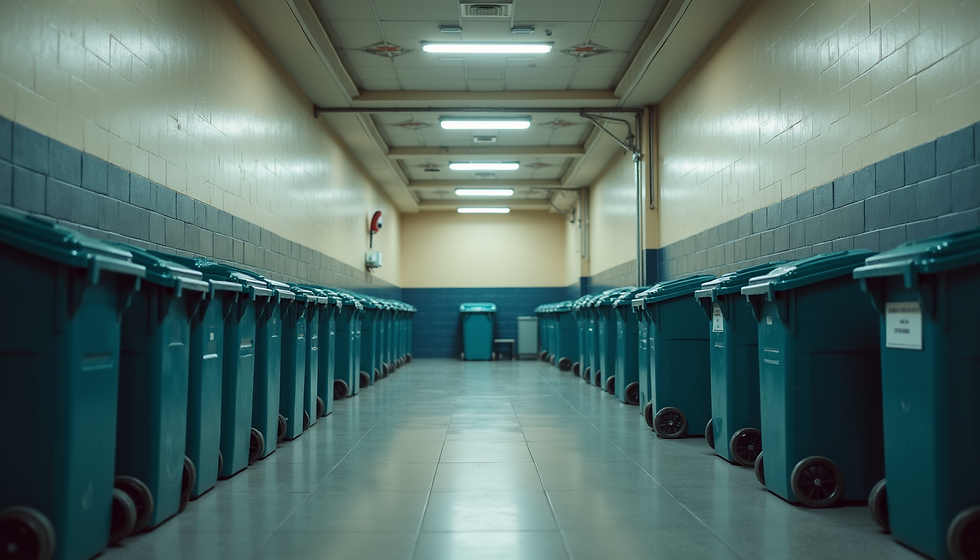
Designate indoor or covered outdoor rooms specifically for waste disposal. These rooms can house multiple bins and keep waste out of sight, reducing odors and pests.
Scheduled Bulk Waste Pickups
Coordinate regular pickups for large items like furniture or appliances to prevent clutter in common areas.
Real-Life Example
A mid-sized apartment complex in Portland, Oregon, installed a centralized waste room with color-coded bins for recycling, compost, and trash. They also added clear signage and scheduled weekly pickups. This reduced overflow by 40% within six months and improved resident satisfaction.
Contamination of Recycling Streams
Recycling contamination happens when residents place non-recyclable items in recycling bins. This can cause entire batches of recyclables to be rejected by processing facilities, increasing landfill waste and costs.
Practical Solutions
Clear and Simple Signage
Use images and plain language on bins to show what can and cannot be recycled.
Regular Resident Reminders
Send newsletters, emails, or post flyers explaining recycling rules and the impact of contamination.
On-Site Waste Audits
Periodically review the contents of recycling bins to identify common mistakes and address them directly.
Real-Life Example
An apartment community in Austin, Texas, partnered with their local waste management company to conduct quarterly waste audits. They discovered that plastic bags and food waste were the main contaminants. After launching an education campaign and providing reusable bags, contamination rates dropped by 30%.
Resident Engagement and Education
Engaging residents is crucial for successful waste management. Without their cooperation, even the best systems fail. Education helps residents understand their role and motivates them to participate actively.
Practical Solutions
Welcome Packets for New Residents
Include waste disposal guidelines, recycling tips, and contact information for waste services.
Community Workshops and Events
Host sessions on composting, recycling, and waste reduction to build awareness and skills.
Incentive Programs
Offer rewards or recognition for residents who consistently follow waste guidelines or participate in community clean-ups.
Real-Life Example
A large apartment complex in Chicago launched a “Green Living” program that included monthly workshops and a recycling challenge with prizes. Participation increased by 50%, and overall recycling rates improved significantly.
Compliance with Local Regulations
Waste management rules vary by city and state. Apartment communities must stay updated on regulations regarding recycling mandates, hazardous waste disposal, and reporting requirements.
Practical Solutions
Regular Training for Staff
Ensure maintenance and management teams understand local laws and best practices.
Partnerships with Waste Providers
Work closely with waste haulers who are knowledgeable about regulations and can offer compliance support.
Use of Technology
Employ software tools to track waste volumes, schedule pickups, and generate reports for regulatory agencies.
Real-Life Example
A property management company in Seattle adopted a waste tracking system that automatically generated compliance reports. This helped them avoid fines and improved transparency with residents.

Tips for Improving Waste Management Efforts
Make Waste Disposal Easy
Place bins in convenient, well-lit areas to encourage use.
Communicate Regularly
Keep residents informed about changes, successes, and how they can help.
Monitor and Adjust
Track waste volumes and contamination rates to identify areas for improvement.
Promote Waste Reduction
Encourage practices like donating unwanted items, using reusable containers, and minimizing packaging.
Partner with Trash Sergeant today to tackle the challenges you face daily. Contact us!


Comments